Gazing upon the vibrant, azure waters of the Red Sea, one is often struck by a compelling paradox: its name. This apparent contradiction has intrigued historians, scientists, and travelers for centuries, leading to a landscape of competing theories and fragmented information. The question of why called red sea is not a simple one, and separating credible explanations from popular myths can be a complex endeavor.
In this comprehensive exploration, we will navigate through the most compelling scientific, historical, and linguistic explanations behind this famous title. Our mission is to provide a clear, definitive guide that unravels the geographic mystery. We will delineate the facts from the folklore, from seasonal blooms of crimson algae to ancient directional color symbolism, offering you not just an answer, but a deeper appreciation for the rich tapestry of culture and nature that defines this iconic waterway.
The Scientific Theory: A Sea of Crimson Blooms
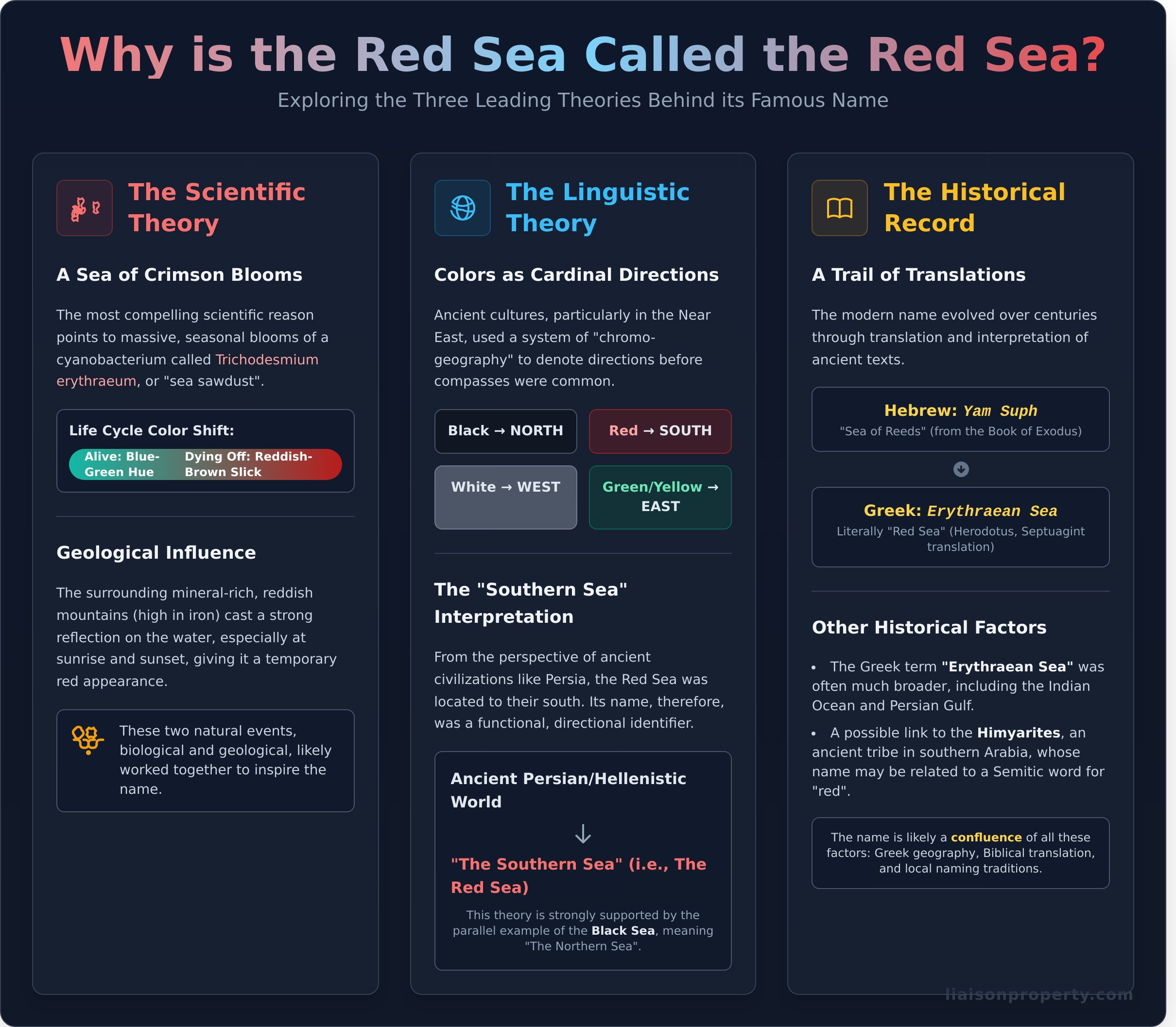
Among the various explanations for why the Red Sea is called the Red Sea, the most scientifically compelling theory points not to a constant crimson hue but to a spectacular, transient natural event. This phenomenon is rooted in the sea’s unique biology and is a testament to its vibrant ecosystem. The answer lies in massive, seasonal blooms of a specific type of algae that, under the right conditions, transform vast stretches of the typically azure water into a deep, reddish-brown spectacle. This natural cycle provides a logical and fascinating basis for the sea’s historic name.
The Role of Trichodesmium Erythraeum
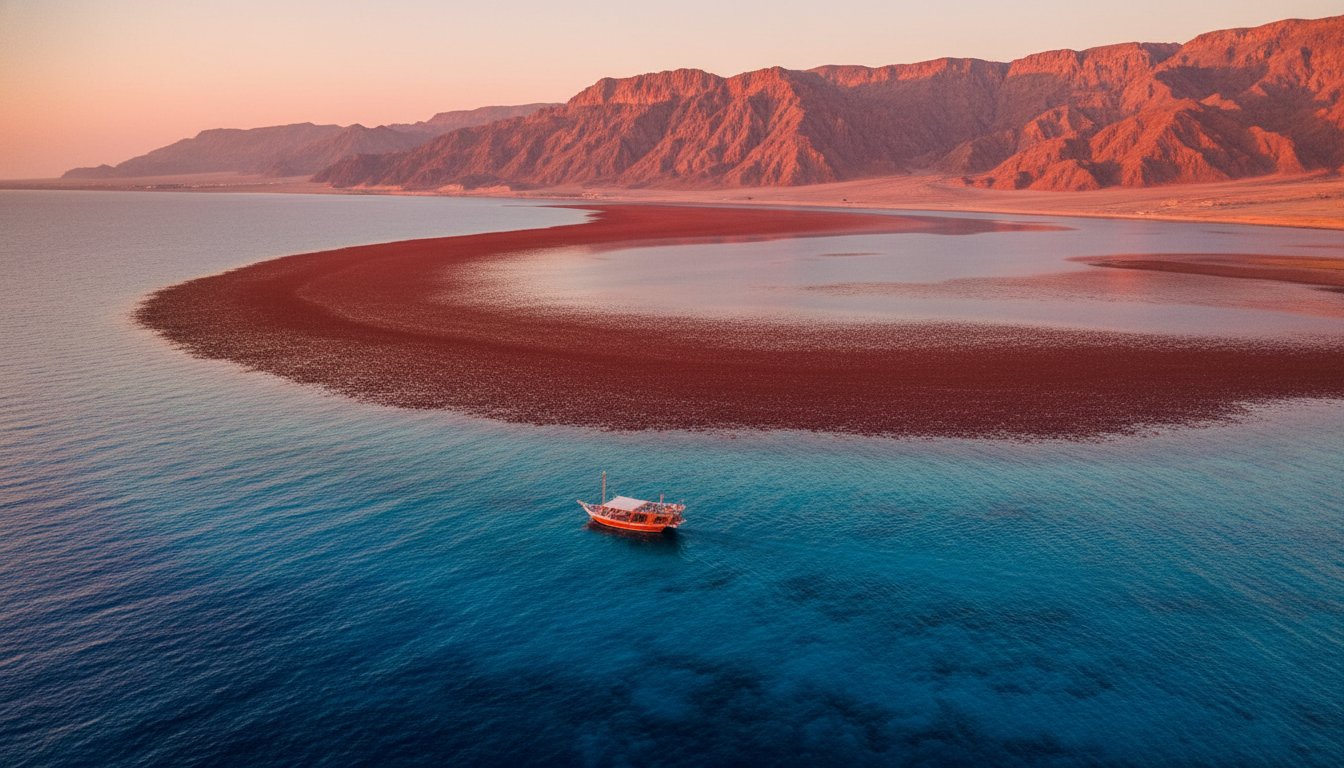
The key protagonist in this natural drama is a cyanobacterium named Trichodesmium erythraeum, often referred to as ‘sea sawdust’. Periodically, these microscopic algae multiply exponentially near the water’s surface, creating immense blooms. While these organisms are alive, they lend a blue-green color to the water. However, upon completing their life cycle and dying off en masse, they transform the sea’s surface into a vast, reddish-brown slick, a natural process that profoundly influenced how ancient mariners perceived and named this vital waterway.
The Influence of Mineral-Rich Mountains
A complementary geological explanation, detailed in discussions about the origin of the Red Sea’s name, points to the striking, mineral-rich mountains that flank its shores, particularly in the Sinai Peninsula and along the African coast. These rugged, iron-rich formations radiate a distinct reddish glow, especially during sunrise and sunset. This powerful hue can cast a profound reflection upon the water’s surface, giving the sea a temporary red appearance that would have been a significant and memorable sight for early sailors and traders.
Ultimately, both the biological blooms and the geological reflections contribute to a comprehensive understanding of why it is called the Red Sea. These phenomena are not mutually exclusive; rather, they represent two powerful natural forces that periodically paint the waters with a signature crimson color. This interplay between a dynamic ecosystem and a dramatic landscape underscores the Red Sea’s status as a place of immense natural wonder, where life and geology combine to create one of the world’s most uniquely named bodies of water.
The Linguistic Theory: Colors as Cardinal Directions
While many modern explanations point to a scientific reason for the name, such as seasonal blooms of reddish-hued algae, a compelling historical theory suggests the answer lies not in biology but in ancient linguistics. This perspective repositions the question of why called red sea, shifting our focus from the water’s appearance to the sophisticated navigational systems of early civilizations. The name may, in fact, be a relic of a time when colors were used to signify cardinal directions.
An Ancient System of Navigation
Before the widespread use of magnetic compasses, many ancient cultures, particularly in Asia and the Near East, developed a system of chromo-geography, or color-coded directions. This practice provided a clear and consistent framework for orientation, trade, and cartography. The general association was as follows:
- Black for the North
- Red for the South
- White for the West
- Green or Yellow for the East
The most prominent and enduring example of this convention is the Black Sea. Located to the north of the ancient Anatolian and Greek worlds, its name is widely believed to mean “The Northern Sea,” a designation that has persisted for millennia.
The ‘Southern Sea’ Interpretation
Following this established system, the linguistic theory presents a clear and logical conclusion: the Red Sea was simply named the “Southern Sea.” From the perspective of civilizations in regions like ancient Persia or the Hellenistic world, this significant body of water was situated directly to their south. The term “Red” was therefore not a literal description of its color but a functional, directional identifier.
This interpretation is a strong contender for the name’s origin, as it is supported by the parallel evidence of the Black Sea and provides a coherent explanation rooted in historical context. Rather than a mystery of nature, the name becomes a testament to the elegant and practical worldview of ancient geographers, for whom the world was mapped in a spectrum of symbolic color.
The Historical Record: Ancient Texts and Translations
To truly understand the origins of the name ‘Red Sea’, we must look beyond modern geography and delve into the historical record. The name we use today is not a recent invention but the result of centuries of translation, interpretation, and cultural exchange. Ancient Greek and Hebrew texts provide the earliest clues, each offering a distinct perspective that has shaped our contemporary understanding and provides insight into why called red sea.
The Greek ‘Erythraean Sea’
The direct predecessor to the modern name comes from Ancient Greek. Esteemed historians like Herodotus referred to it as the Erythraean Sea (Ἐρυθρὰ Θάλασσα), which literally translates to ‘Red Sea’. However, their geographical definition was often far broader, encompassing the Indian Ocean and the Persian Gulf as well. This ambiguity raises a critical question: did the Greeks name it for a physical characteristic they observed, or was the name inherited from an even older tradition, perhaps from local cultures who used colors to denote cardinal directions?
Biblical References and Local Names
In contrast, the Hebrew Bible, particularly in the Book of Exodus, calls the body of water Yam Suph, which translates to ‘Sea of Reeds’. The connection between ‘reeds’ and ‘red’ remains a topic of scholarly discussion, with the transition to ‘Red Sea’ appearing in later translations like the Greek Septuagint. This linguistic shift is central to many theories on the Red Sea’s name. Further complicating the matter, some historians suggest a link to the Himyarites, an ancient tribe in southern Arabia whose name could be related to the Semitic word for ‘red’, adding another layer of historical influence.
Ultimately, the name ‘Red Sea’ is likely a confluence of these ancient narratives. It represents a convergence of Greek descriptive geography, biblical translation, and local tribal nomenclature. Rather than a single, definitive origin story, the historical record presents a rich tapestry of influences that have merged over millennia to give this vital waterway its iconic and enduring name.
The Red Sea Today: A Palette of Vibrant Life
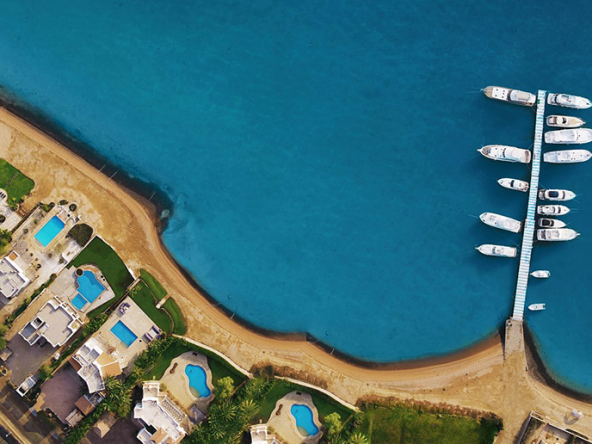
While historians and scientists debate the ancient origins of its name, any modern visitor to the Egyptian coast experiences a sea of breathtaking clarity. The waters are not a literal, uniform red but a brilliant spectrum of turquoise and deep sapphire, creating a stunning visual contrast with the golden desert landscapes. This vibrant reality often leaves travelers wondering anew about the historical name and the stories it holds.
Today, the most compelling answer to the question of why called red sea lies not in seasonal algae blooms or ancient directional language, but in the world teeming with life just beneath the surface. The sea’s contemporary “redness” is a living, breathing tapestry of color found in its unparalleled coral reef ecosystems—a feature that defines its modern identity and global appeal.
The World-Renowned Coral Reefs
The Red Sea is home to one of the world’s most resilient and spectacular coral reef systems, thriving with an astonishing diversity of life. It is particularly famous for its abundance of vibrant red and pink soft corals that sway in the gentle currents, lending a warm hue to the underwater landscape. These intricate gardens provide a pristine habitat for over 1,200 species of fish, creating a kaleidoscope of movement and color that has firmly established the region as a premier diver’s paradise. Exclusive destinations like El Gouna and Soma Bay offer direct, sophisticated access to this natural wonder.
For visitors eager to explore this underwater world, you can discover Toty Hurghada Tours, which offers a variety of excursions right from the heart of the Egyptian Red Sea coast.
More Than a Name: A Legacy of Beauty
Ultimately, the debate over why called red sea reveals a name born from a beautiful mosaic of science, ancient linguistics, and historical perception. Yet, the sea’s true identity transcends any single explanation. Its enduring character is defined by this incredible biodiversity and the seamless convergence of profound history with breathtaking natural beauty. It is a rare destination where you can explore ancient wonders one day and a vibrant, living ecosystem the next.
To truly understand this unique legacy, one must experience it firsthand. Explore our exclusive Red Sea properties and find your place in this timeless and magnificent landscape.
Beyond the Name: A Legacy Written in Water
From the seasonal blooms of crimson algae to the ancient linguistic map where colors denoted direction, the mystery of why called red sea reveals not one simple answer, but a rich tapestry of possibilities. Each theory—whether scientific, linguistic, or historical—adds another layer to its profound mystique. Today, this legendary body of water is more than a name; it is a vibrant ecosystem and a timeless destination where history and nature converge in spectacular fashion.
This enduring allure is precisely what makes the Red Sea a premier destination for discerning property investors. As your dedicated partner in Egyptian real estate, Liaison Property offers unparalleled expertise in coveted locations like El Gouna and Soma Bay. Our commitment is to provide seamless guidance for international investors, ensuring your journey into this exclusive market is managed with complete confidence and integrity. Discover the timeless allure of properties on the Red Sea coast. Your own piece of this legendary shoreline awaits.
Frequently Asked Questions
Is the water of the Red Sea actually red?
The water of the Red Sea is typically a brilliant blue-green. Its name is derived from periodic blooms of a specific cyanobacteria, Trichodesmium erythraeum, which can turn the surface a reddish-brown color under certain conditions. These seasonal blooms are the most widely accepted explanation for why it is called the Red Sea. This phenomenon, while not constant, was significant enough to inspire its ancient and enduring name, distinguishing it from other bodies of water.
What is the Red Sea most famous for today?
Today, the Red Sea is renowned globally as a premier destination for scuba diving and snorkeling. Its warm, exceptionally clear waters host some of the world’s most vibrant and resilient coral reef ecosystems. These reefs are home to over 1,200 species of fish, including a high percentage of endemic species found nowhere else. Destinations like Egypt’s Ras Mohammed National Park attract enthusiasts from around the world, seeking to experience this unique underwater biodiversity firsthand.
The global appeal of such underwater wonders inspires many to take up the sport. For those interested in getting certified in another one of the world’s top diving locations, you can visit Cozumeldivehub to learn about PADI courses in Mexico.
Are there other seas in the world named after colors?
Indeed, the practice of naming seas after colors is not unique to the Red Sea. Other notable examples include the Black Sea, located between Europe and Asia, and the White Sea, an inlet of the Barents Sea on the coast of Russia. Additionally, the Yellow Sea, situated between mainland China and the Korean Peninsula, gets its name from the color of silt-laden water discharged from the Yellow River, demonstrating a similar naming convention based on appearance.
How did the Black Sea get its name?
The Black Sea’s name has several compelling origin theories. One prominent explanation is its anoxic deep waters; the high concentration of hydrogen sulfide below 150 meters causes metal objects to blacken. Historically, ancient mariners may also have named it for its notoriously difficult navigation and severe storms, which gave it a dark and inhospitable reputation. This naming is based on chemical properties and historical perception rather than a direct visual like the algae blooms in the Red Sea.
What makes the Red Sea’s ecosystem so unique?
The Red Sea’s ecosystem is distinguished by its high salinity and consistently warm water temperatures, creating a challenging yet thriving environment. As a semi-enclosed sea, it has a high rate of endemism, with approximately 10% of its fish species and a significant portion of its coral species found exclusively in its waters. These unique conditions have cultivated some of the most heat-resilient coral reefs in the world, making it a critical area for scientific research.
Was the Red Sea always a saltwater sea?
The Red Sea’s history is geologically dynamic. While it formed as a saltwater inlet of the Indian Ocean, its connection has not always been stable. During past ice ages, global sea levels dropped significantly, isolating the Red Sea by closing the Strait of Bab-el-Mandeb. In these periods of isolation, intense evaporation transformed it into a basin of concentrated, hypersaline brine, and it may have even dried up completely before being refilled by rising ocean levels.